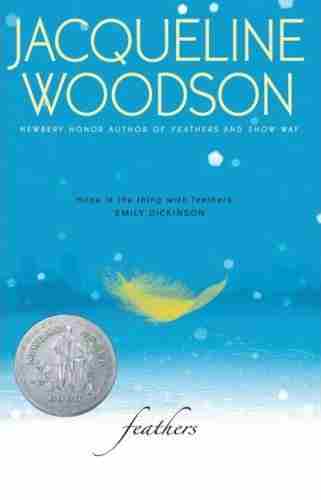
Frannie是個黑人小女孩,哥哥天生就是聽障,在她之前有個姐姐在1 歲時就生病而早夭,之後媽媽也曾流產好幾次,而她本身也有些學習障礙,因此她非常的悲觀。她不上教堂不信上帝,對人生一點希望也沒有。但是自從班來轉來了一個白人的轉學生,他經常注視她,甚至還對她比手語,又自稱是” Jeuse Boy”,她開始慢慢地思考,再加上媽媽又再度懷孕的消息,這一切對她會有什麼影響呢?適合12歲以上兒童閱讀。。
Stepped through that door white and softly as the snow," notes sixth-grader Frannie, on the arrival of a pale, long-haired boy to her predominantly black middle school on a winter day in 1971. He is dubbed the Jesus Boy by the class rowdy, and the name seems to suit the newcomer's appearance and calm demeanor. Frannie is confused, not only by declarations that he's NOT white, but that her friend Samantha, daughter of a conservative Baptist minister, also seems to believe that he is Jesus. In light of this and other surprises in her life, Frannie questions her own faith and, most of all, the meaning of the Emily Dickinson poem that she is studying in class, "Hope is a thing with feathers/that perches in the soul/…." How does she maintain hope when her newly pregnant mother has lost three babies already? She also worries about her deaf older brother, Sean, who longs to be accepted in the hearing world. She sees the anger in the bully intensify as he targets Jesus Boy. With her usual talent for creating characters who confront, reflect, and grow into their own persons, Woodson creates in Frannie a strong protagonist who thinks for herself and recognizes the value and meaning of family. The story ends with hope and thoughtfulness while speaking to those adolescents who struggle with race, faith, and prejudice. They will appreciate its wisdom and positive connections.—D. Maria LaRocco, Cuyahoga Public Library, Strongsville, OH
Copyright © Reed Business Information, a division of Reed Elsevier Inc. All rights reserved.
|